Blogs
Preventing Common Gamefowl Diseases: The Biosecurity Blueprint
Jun
Preventing Common Gamefowl Diseases
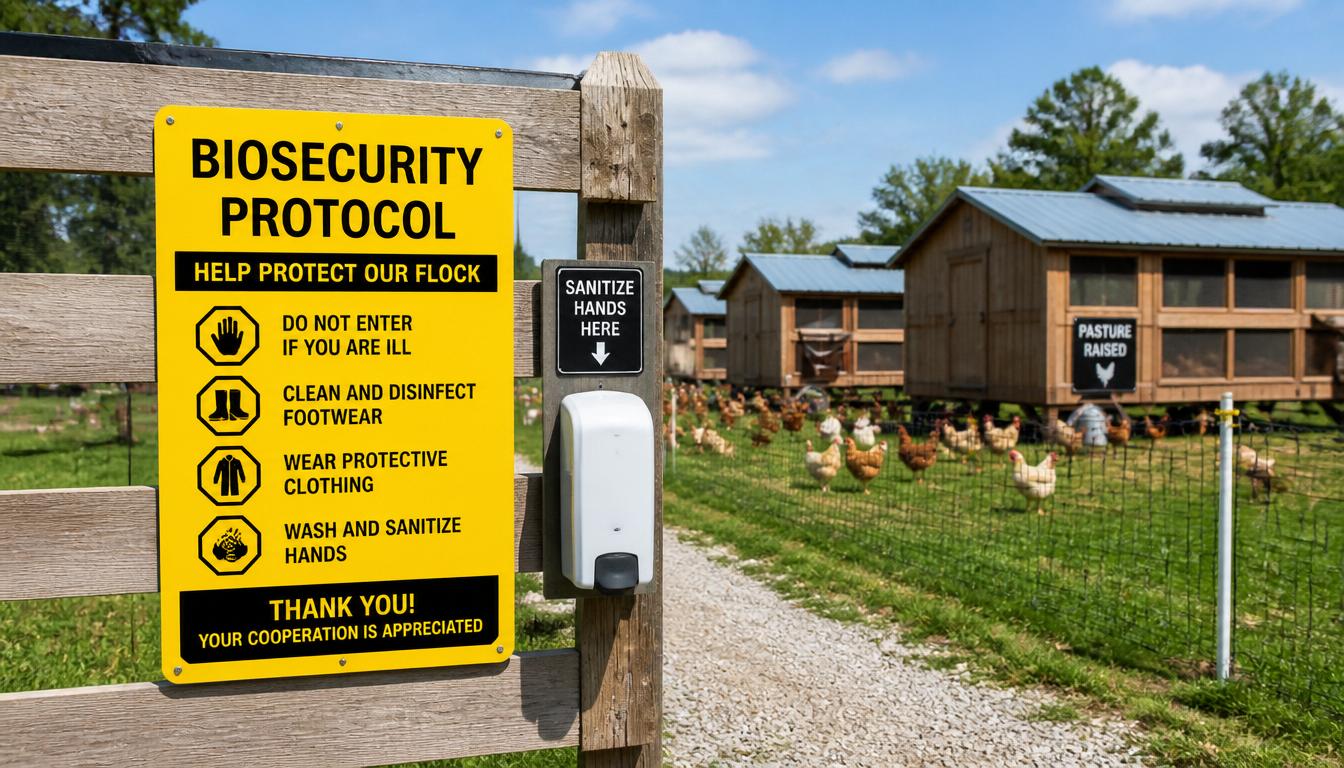
In the world of high-end heritage poultry management, a beautiful pedigree or a perfect feeding schedule means nothing if your yard lacks a defense system against microscopic pathogens. Dedicating your time to preventing common gamefowl diseases is the ultimate safeguard for your financial investment and years of selective linebreeding.
Many family operations learn this lesson the hard way. A single visit to a swap meet or an unverified bird purchase can introduce highly contagious respiratory pathogens or fatal viruses that sweep through a facility within days. Because birds naturally conceal their symptoms until an illness is advanced, you cannot rely on treatment alone. True mastery lies in constructing an unyielding perimeter that keeps pathogens from ever breaching your coops.
The High Cost of Disease Outbreaks andPreventing Common Gamefowl Diseases
When an infectious pathogen enters a breeding yard, the damage extends far beyond a temporary drop in energy. Outbreaks can permanently scar respiratory tissues, reduce reproductive fertility across an entire generation, and completely compromise your gamefowl flock health.
By shifting your management approach from reactive treatment to proactive prevention, you protect your birds’ physical potential and ensure your young stags grow up with their respiratory systems and bone densities completely unimpeded.
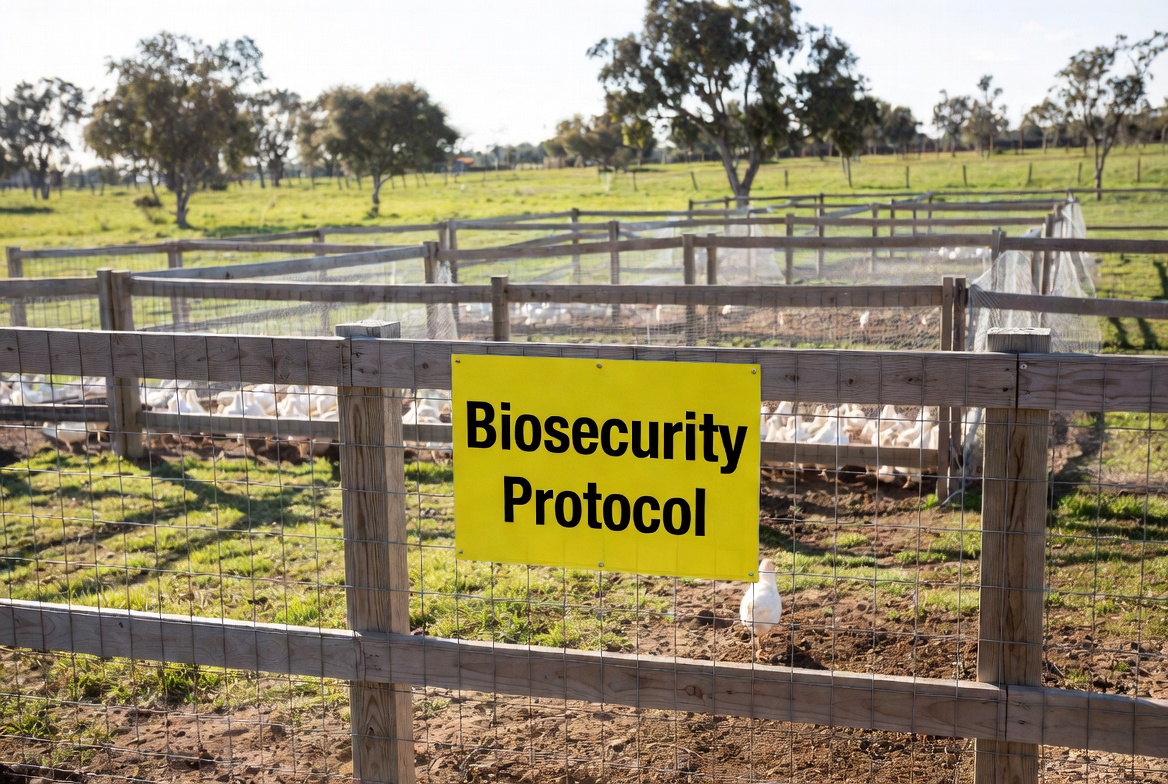
The Three Pillars of Avian Disease Defense (Preventing Common Gamefowl Diseases)
Building a disease-resistant facility requires three distinct, interlocking habits. If you skip even one, you leave a gap wide enough for an outbreak to slip through.
1. Advanced Quarantine Management – Preventing Common Gamefowl Diseases
The absolute number-one source of flock infections is the introduction of a new bird that is secretly shedding pathogens. Never release a newly arrived bird directly into your general population.
You must maintain a strict system of quarantine protocols for poultry. Keep incoming stock in an isolated pen a minimum of 30 feet away from your primary lines for 21 to 30 days. Use separate feed scoops, footwear, and waterers for this station, and always care for your quarantined birds last during your daily rounds.
2. Environmental Moisture & Ammonia Control – Preventing Common Gamefowl Diseases
Pathogens thrive in damp, stagnant environments. When poultry droppings accumulate in unventilated coops, they release toxic ammonia gas. This gas burns the delicate cilia lining the bird’s trachea, creating micro-tears that allow airborne bacteria like Infectious Coryza or Mycoplasma to colonize their respiratory systems instantly.
- Keep It Dry: Utilize highly absorbent bedding like coarse river sand or fresh pine shavings.
- Maximize Air Exchange: Ensure your housing layout features continuous high-level ventilation openings to extract damp air without throwing cold drafts directly onto your sleeping roosts.
3. Rigorous Avian Parasite Control – Preventing Common Gamefowl Diseases
External pests like northern fowl mites and poultry lice do not just cause discomfort—they physically bite through the skin to feed on blood, triggering chronic anemia and lowering a bird’s natural immunity.
Similarly, internal parasites like roundworms and gapeworms destroy the lining of the intestinal tract, stopping the absorption of vital proteins and amino acids. Implement a rotating preventative deworming protocol every six months, and provide clean sand dust-baths enriched with food-grade diatomaceous earth to naturally dismantle external parasite shells.
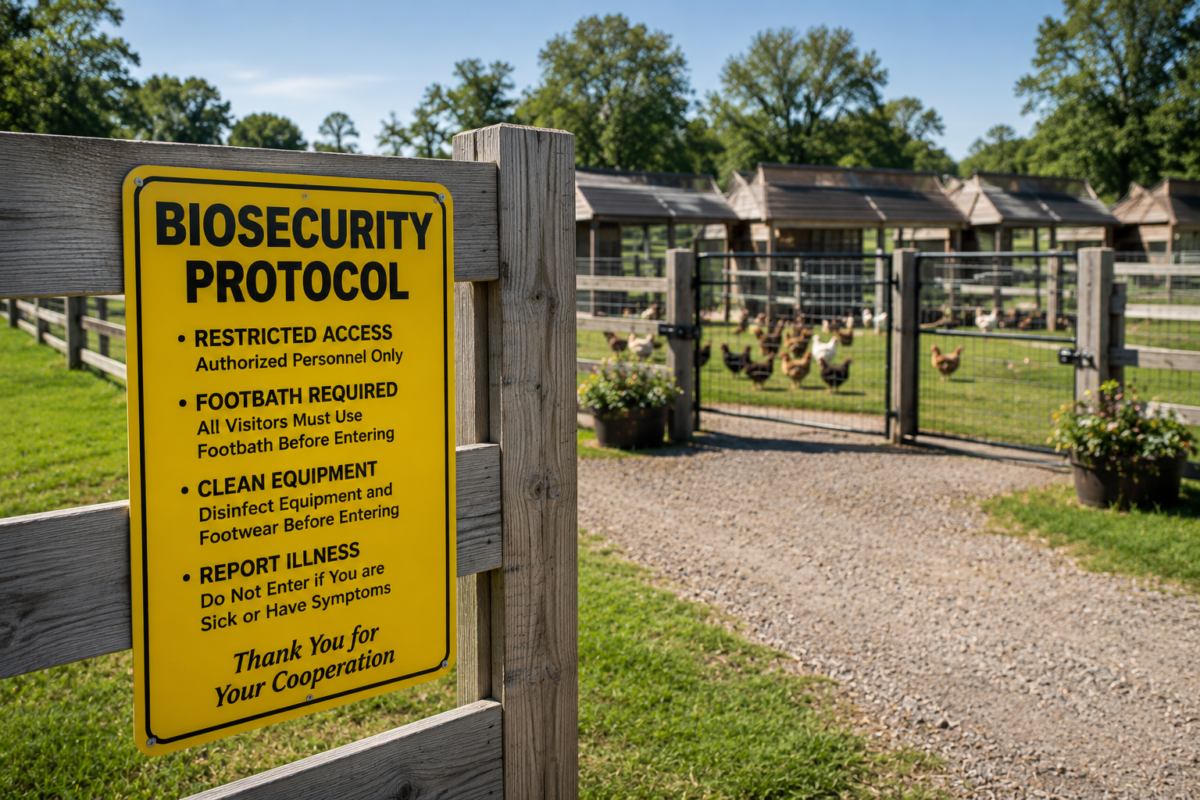
Diagnostic Guide for Common Pathogens on Preventing Common Gamefowl Diseases
Train your eye to spot the differences between major poultry ailments by using this clean structural diagnostic reference chart:
| Disease Category | Primary Warning Signs | Transmission Route | Principal Prevention Strategy |
| Infectious Coryza (Bacterial) | Facial swelling, foul odor from nostrils, matted eyes, gasping. | Contaminated drinking water; airborne respiratory droplets. | Strict separation of age groups; daily water sanitization. |
| Coccidiosis (Parasitic) | Watery or bloody droppings, ruffled feathers, rapid weight loss, lethargy. | Overcrowded, damp floor litter; fecal-oral ingestion. | Keep pen floors dry; utilize raised wire floor brooders for young chicks. |
| Fowl Pox (Viral) | Warty, black scabs on the comb, wattles, and eyelids; drop in vitality. | Biting mosquitoes; contact with dropped scab dander. | Control standing water zones; clear brush around individual fly pens. |
Frequently Asked Questions on Preventing Common Gamefowl Diseases
What is the best natural disinfectant for poultry waterers?
Apple cider vinegar (ACV) is an outstanding organic water acidifier when used at a ratio of 1 tablespoon per gallon of fresh water. The natural acidity lowers the pH of the water, preventing the growth of harmful algae, crop-binding molds, and pathogenic bacteria in the drinking reservoir. Avoid using ACV in galvanized metal containers, as the acid can corrode the zinc coating.
How do I treat a gamefowl rooster with a bubbling eye?
A bubbling eye accompanied by clear or yellowish nasal discharge is a classic indicator of a chronic respiratory infection, usually Mycoplasma Gallisepticum (MG). Isolate the bird instantly from your main yard, clean his eyes with a sterile saline solution, and consult an avian professional to administer target-specific water or injectable antibiotics.
Can wild birds pass diseases to my heritage breeding stock?
Yes. Wild sparrows, pigeons, and starlings are major mobile carriers of northern fowl mites, scaly leg mites, and devastating viruses like Avian Influenza. Ensure your individual fly pens use wire mesh small enough (1/2-inch or smaller) to completely prevent wild birds from entering your coops to eat out of your roosters’ feed cups.
Lock In the Security of Your Yard
Mastering the mechanics of preventing common gamefowl diseases is what separates casual backyard breeders from elite historical preservationists. By maintaining absolute quarantine boundaries, ensuring flawless housing ventilation, and enforcing routine parasite control, you protect the genetic integrity of your lines and ensure your prized family farm strains continue to hatch out strong, vibrant, and completely disease-free for generations to come.
Products by Category
-

Penny Harold Brown Gamefowl – Proven Brown Line
Price range: $100.00 through $200.00 -
Peruvian Rooster – Strong Athletic Bloodline
Price range: $175.00 through $475.00 -
Pumpkin Hulsey Gamefowl – Pure Hulsey Bloodline
Price range: $175.00 through $500.00 -
Pure Ginn Grey Toppy Roosters for Sale
$500.00 -
Pure Lacy Roundhead Gamefowl for Sale
Price range: $180.00 through $400.00 -
Pure Minor Blue Roosters for Sale
Price range: $180.00 through $400.00 -
Yellow Leg Hatch Gamefowl – Premium Bloodline
Price range: $100.00 through $280.00