Blogs
Price Guide: Understanding Value in Premium Gamefowl
Jun
Price Guide: Understanding Value in Premium Gamefowl
Navigating the market for elite heritage poultry can be an incredibly confusing process for independent homesteaders and family operations. Walk into any major livestock auction, private breeding yard, or trade seminar, and you will see birds that look remarkably similar on the surface priced anywhere from fifty dollars to well over a thousand dollars.
Many beginners fall into the trap of assuming high prices are simply driven by commercial hype or matching plumage colors. In reality, master preservationists operate on a completely different evaluation system. Utilizing a structured price guide: understanding value in premium gamefowl allows you to view these birds not as simple farmyard animals, but as serious genetic assets. To build a successful program without overpaying or undervaluing your own stock, you must learn exactly how to measure the invisible metrics that create premium worth.
The Pillars of Premium Value – Understanding Value in Premium Gamefowl
When you spend your hard-earned capital on elite stock, you are not paying for the physical meat or feathers standing in front of you—you are purchasing their genetic predictability. A low-cost bird with unverified parentage is an unknown variable; its offspring may hatch with a chaotic mix of structural defects, weak immunity, or erratic behavioral traits.
Conversely, buying premium gamefowl means acquiring a locked-in, stabilized genetic package. Because the ancestors of that bird have been ruthlessly selected for specific bone densities, structural stamina, and intelligence over decades, you can pair that bird with absolute confidence that those exact winning traits will pass cleanly down into your next generation of chicks. This security is what transforms a simple purchase into a high-yield heritage poultry asset value investment.
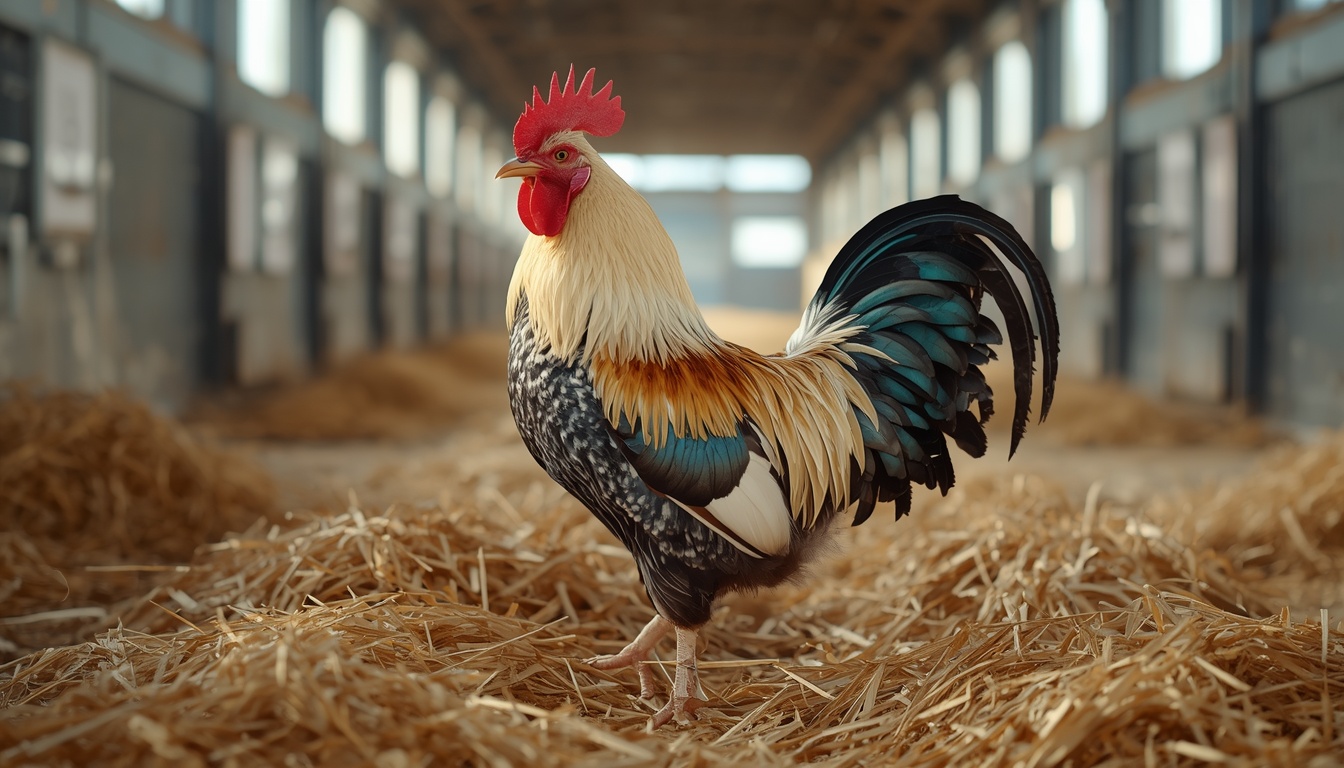
Market Pricing Tiers Blueprint – Understanding Value in Premium Gamefowl
To help you calculate your farm acquisition budget or accurately price your own upcoming hatches, the global market for heritage strains can be divided into four distinct economic tiers based on poultry market standards.
 [Hatchery / Backyard Tier] ──> [Selected Farm Stock] ──> [Pedigree Brood Tier] ──> [Elite Championship Lines]
      ($25 - $75)                  ($100 - $250)              ($300 - $600)                ($700 - $1,500+)
1. Hatchery / Backyard Tier ($25 – $75 per bird)
These birds are typically produced in large volumes without individual pen selection or parentage tracking. While they may carry a specific line name, their genetics have been heavily diluted. They are excellent for casual egg production or learning basic poultry care, but they lack the structural density required for serious breeding programs.
2. Selected Farm Stock ($100 – $250 per bird)
This tier represents the entry point for serious homesteaders. These birds are sourced from clean, local family farms that practice basic flock isolation and cull for obvious structural defects like crooked toes or weak breastbones. They possess good vitality but lack deep, multi-generational linebreeding charts to back up their production.
3. Pedigree Brood Tier ($300 – $600 per bird)
This is where true premium value begins. Birds in this bracket come directly from recognized, transparent master preservationists. They feature verified, individual leg-band parentage records stretching back multiple generations. They display exceptional physical architecture—including deep chests, wide backs, and tight, hard plumage—and are sold with a complete history of their flock health and vaccination timelines.
4. Elite Championship Lines ($700 – $1,500+ per bird)
Sitting at the absolute apex of the market, these individuals are the direct offspring of legendary, documented foundation bloodlines or award-winning historic pairs. These birds are rarely sold on the open market and are typically traded privately between established breeding operations. Buying at this level gives an operation an immediate, decades-long head start in genetic quality.
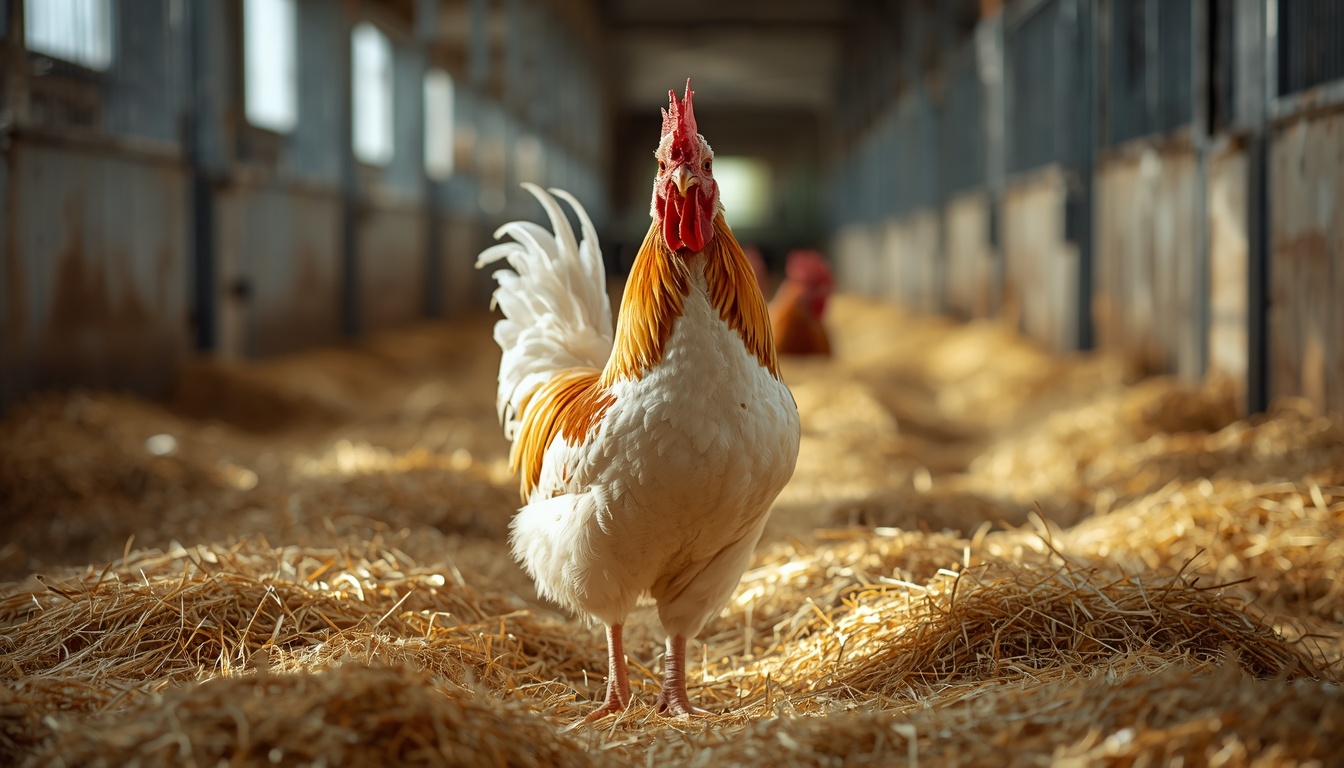
The Value Appraisal Matrix – Understanding Value in Premium Gamefowl
When standing in a yard evaluating a potential purchase, run the specimen through this structural scorecard to determine if the seller’s asking price matches the bird’s actual genetic worth:
| Value Driver | Premium Traits (High Value) | Subpar Traits (Low Value) | Impact on Price |
| Lineage Logs | Multi-generational linebreeding chart; individual hatch logging. | Unverified farm names; word-of-mouth pedigree trail. | Adjusts valuation by 50% to 100%. |
| Skeletal Build | Broad shoulders; thick, smooth shank bones; deep sternum. | Narrow back; thin, crooked keel bone; asymmetric frame. | Subpar builds should be rejected or valued at meat price. |
| Health Logs | Documented vaccination history; verified biosecurity clearance. | No vaccination record; signs of external pests or dull eyes. | Sick or untested birds drag asset value down to zero. |
| Trait Stability | High percentage of uniform, identical offspring in previous hatches. | Offspring hatch with erratic variations in feather colors and sizes. | Proven stability commands maximum market premiums. |
Frequently Asked Questions on Understanding Value in Premium Gamefowl
Why does a brood hen sometimes cost more than a rooster? – Understanding Value in Premium Gamefowl
In premium breeding, hens are the ultimate structural foundation of your yard. While a rooster provides 50% of the genetic input for the flock, an elite brood hen dictates eggshell quality, yolk nutrition, and early chick vitality. Master breeders know that a superior hen line is incredibly difficult to build and keep stable, making verified hens command massive financial premiums.
Is it safer to buy adult brood fowl or young hatching eggs? – Understanding Value in Premium Gamefowl
Buying adult gamefowl breeding stock cost parameters are higher upfront, but it is vastly more cost-effective and secure in the long run. Buying hatching eggs leaves you exposed to incubation failures, shipping damage, and a complete gamble on what the chick will look like upon maturity. Buying adult birds allows you to execute a hands-on physical inspection, ensuring you get exactly what you pay for.
How do I protect my genetic investment after purchasing? – Understanding Value in Premium Gamefowl
The moment your premium birds arrive at your facility, enforce a mandatory, isolated 21-day quarantine protocol at least 30 feet away from any existing poultry. This protects your capital investment from outside pathogens and gives the new birds time to adjust to your local climate and specific feed formulas without stress.
Invest with Absolute Precision – Understanding Value in Premium Gamefowl
Gaining a thorough, calculated understanding of a professional price guide: understanding value in premium gamefowl lines shifts your role from a basic buyer into a highly competent agricultural investor. By looking past surface feather beauty and systematically auditing verified pedigree records, physical biomechanics, and health documentation, you shield your farm from low-yield purchases. This discipline ensures every dollar you invest actively secures the long-term success, predictability, and historic purity of your homestead flock.
Products by Category
-

Dominique Roosters for Sale – Hardy Heritage Breed
$31.00 -
Gold Laced Wyandotte Hen for Sale – Red Laced Dual-Purpose Layer
$25.00 -
Gold Laced Wyandotte Roosters for Sale – Heritage Dual-Purpose Males
$32.00 -
Jubilee Orpington Chickens for Sale – Rare Heritage Dual-Purpose Birds
$33.00 -
Jubilee Orpington Roosters for Sale – Rare Heritage Dual-Purpose Males
-
Lavender Orpington Chickens for Sale – Rare Heritage Dual-Purpose Birds
$23.00 -
Lavender Orpington Roosters for Sale – Rare Dual-Purpose Heritage Males
$40.00 -
Light Brahma Chickens for Sale – Heritage Dual-Purpose Hens
$23.00 -
Light Brahma Rooster for Sale – Heritage Dual-Purpose Male
$33.00