Blogs
Breeding Pure Kelso Gamefowl: What to Expect & Master
May
Breeding Pure Kelso Gamefowl: What to Expect
For serious poultry preservationists and independent family farmers, few tasks are as deeply rewarding as working with a legendary lineage. When it comes to intelligence, balance, and historic prestige, the Kelso bloodline sits at the absolute top.
However, many family operations stumble into a common trap. They buy expensive birds from unverified sellers only to see the line degrade within two generations due to poor selection or lack of guidance. If you are committing to breeding pure Kelso gamefowl, knowing exactly what to look for in their physical traits, behavioral patterns, and genetic management is vital for securing long-term flock success.
The Breeding Pure Kelso Gamefowl Genetic Blueprint
The Kelso strain was originally engineered by master breeders who combined the best traits of historical strains to create an exceptionally intelligent bird. Unlike families bred solely for reckless speed, the pure Kelso is a tactical thinker.
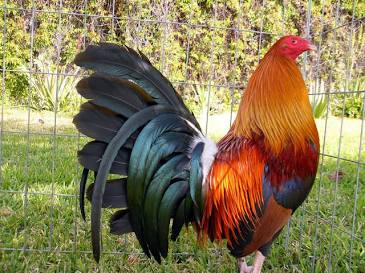
When managing this strain, you are participating in heritage poultry preservation. This means your primary goal is to maintain the exact physical phenotypes that made the line famous in the first place.
Expected Physical Traits
- Plumage and Coloration: Expect a beautiful array of light red, yellow-tinted, or “turkey-red” orange tones. The feathering should always feel hard, tight, and close to the body.
- Comb Type: The vast majority of pure Kelsos display small, neat pea combs, though classic straight-comb variations still emerge from specific old-school sub-strains.
- Leg and Shank Structure: Clean, bright yellow legs are the standard benchmark for this line. They should be completely smooth, scale-free, and perfectly proportioned to the body.
What to Expect in the Breeding Pure Kelso Gamefowl Yard
When managing your pens, you must separate commercial hype from cold, hard genetic reality. A proper setup requires isolated breeding runs to prevent accidental cross-contamination between your families.
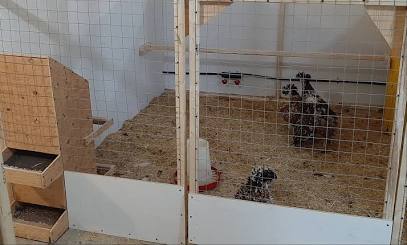
1. Temperament and Handling
One of the most pleasant surprises for new breeders is the Kelso’s temperament. While they are fiercely protective and intensely alert in their own territory, they are incredibly docile and easy to handle around humans. This makes them an exceptional choice for family-run homesteads.
2. Growth and Development Rates
Pure Kelso chicks are highly resilient but grow at a moderate, steady pace. Do not rush their development with aggressive, low-quality growth hormones. Instead, focus on a high-protein starter feed to give their skeletal frames ample time to harden correctly.
Advanced Selection: The Key to Purity
Maintaining high-quality gamefowl breeding stock means becoming a ruthless selector. You cannot keep every chick that hatches; you must actively select only the individuals that match the ideal blueprint.
[Hatched Chick Batch] ──> Cull for Structural Defects ──> Monitor Growth and Feather Quality ──> Select Best 10% for Brood Pens
When evaluating your replacement pullets and young stags, look for a broad back, a deep chest, and an intelligent, sharp eye. Any individual showing crooked toes, a weak breastbone, or a sluggish attitude should be removed from your genetic program immediately.
Managing and Maintaining the Line
To prevent inbreeding depression—where a family line loses its natural vitality due to excessive close-mating—you must utilize a strict poultry biosecurity and flock management program alongside an organized linebreeding chart.
- Clan or Yard Mating: Divide your foundational stock into distinct, closed families (e.g., Line A and Line B).
- Systematic Rotating: Breed daughters back to foundational grandfathers or uncles to lock in desired traits while keeping the overall genetic pool fluid and resilient.
Frequently Asked Questions on Breeding Pure Kelso Gamefowl
Why do some pure Kelso stags hatch with white legs?
While yellow legs are the dominant expectation, historic sub-strains of the Kelso family carried white-legged genetics. If a white-legged bird pops up from an established, trusted source, it is simply a recessive genetic trait showing through, not a sign of a mixed breed.
Are Kelsos good for free-range homesteading?
Yes. Thanks to their high situational intelligence and sharp vision, Kelsos excel at foraging and are highly capable of avoiding natural predators compared to standard, heavy commercial breeds.
What is the average lifespan of a Kelso brood cock?
With top-tier nutrition, clean housing, and strict biosecurity, a healthy Kelso brood cock can remain highly fertile and active for 5 to 7 years.
Protect the Legacy of Your Flock with Breeding Pure Kelso Gamefowl
Committing to breeding pure Kelso gamefowl is an investment in agricultural history and premium genetics. By focusing on strict selection, respecting their unique physical traits, and maintaining clean, professional breeding yards, you ensure your family operation produces strong, beautiful birds for generations to come.
Products by Category
-

Kelso Game Hens for Sale – Premium Purebred Gamefowl Hens
Price range: $150.00 through $430.00 -
Kelso Gamefowl for Sale – Premium Strategic Bloodline Birds
Price range: $150.00 through $430.00