Blogs
Clement Grey vs. Fairchild Grey: Which is Right for You?
May
Clement Grey vs. Fairchild Grey: Which is Right for You?
For heritage preservationists and serious agricultural breeders, adding a new family line to your farm is a major decision. Among the historic families of grey-feathered poultry, two legendary names frequently spark intense debate: the Clement Grey a nd the Fairchild Grey.
Choosing the wrong foundation line can set a breeding program back years, leading to issues with structural balance, inconsistent traits, or birds that simply do not match your farm’s goals. When evaluating Clement Grey vs. Fairchild Grey options, understanding their unique histories, physical traits, and behavioral genetics is essential for securing long-term flock success.
The Genetic Profiles Clement Grey vs. Fairchild Grey: Breaking Down the Strains
While both of these families share a common ancestry rooted in early American grey lines, decades of selective breeding by master poultrymen have carved them into two entirely distinct genetic packages.
The Clement Grey: High-Flying Agility
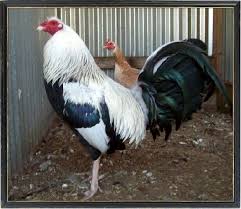
The Clement Grey gamefowl line is famous for its rapid reflexes and unmatched speed. Originating from carefully guarded southern bloodlines, these birds were bred to be light on their feet and incredibly explosive.
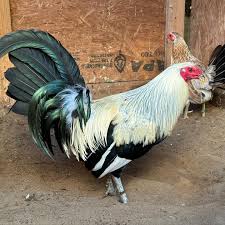
- Physical Framework: They usually display a sleek, streamlined body type with a slightly elevated stance and long, clean silver-white hackles.
- Behavioral Style: Known for “high-breaking” ability, meaning they are incredibly agile and prefer an aerial strategy over a grounded fight.
- Best For: Farm operations looking to introduce explosive speed, high alertness, and lightning-fast reflexes into their current stock.
The Fairchild Grey: Structural Power
In direct contrast, the Fairchild Grey bloodline represents heavy-duty substance and relentless endurance. Developed with a focus on survivability and physical presence, these birds are the tanks of the grey family tree.
- Physical Framework: They showcase a much broader chest, heavier bone density, and a more compact, low-slung silhouette. Their plumage often leans toward a deeper steel-grey coloration.
- Behavioral Style: Ground-dominant, methodical, and exceptionally powerful. They rely on their physical strength and structural stamina to outlast challenges.
- Best For: Homesteaders who need to correct a flock that has become too light-boned, thin-breasted, or fragile over time.
Head-to-Head Comparison on Clement Grey vs. Fairchild Grey
Choosing between these lines depends entirely on what your current breeding facility lacks. Use this reference table to evaluate their core traits side by side:
| Genetic Metric | Clement Grey | Fairchild Grey |
| Primary Attribute | Aerial Agility & Speed | Power & Structural Stamina |
| Bone Density | Medium, Streamlined | Heavy, Broad-Shouldered |
| Plumage Tone | Bright Silver-White Highlighted | Darker, Steel-Grey Variations |
| Climate Adaptability | Excellent in Warm/Temperate | Outstanding in Cold/Harsh |
| Foraging Behavior | High Activity, Far-Ranger | Steady, Methodical Forager |
Managing and Breeding Greys for Long-Term Success
Regardless of which family line you select, maintaining the genetic integrity of your new gamefowl breeding stock requires strict adherence to advanced management standards.
[Incoming Breeding Stock] ──> 21-Day Mandatory Quarantine ──> Single-Tom Pen Testing ──> Pedigree Linebreeding Track
To prevent genetic drift and preserve the unique characteristics of these lines, make sure your facility implements robust flock biosecurity and nutrition protocols. Keep both lines strictly separated in specialized breeding pens, and use numbered leg bands to track offspring phenotypes from the moment they hatch.
Frequently Asked Questions on Clement Grey vs. Fairchild Grey
Can you cross Clement Greys with Fairchild Greys?
Yes. Crossing the two lines is a common strategy used to create a highly balanced “all-around” bird. The Clement line contributes vital speed and vertical agility, while the Fairchild side adds the necessary bone structure and muscle retention.
Which line handles cold winter weather better?
The Fairchild Grey generally handles freezing northern climates better due to its compact body shape, lower surface area, and denser feathering structure.
How do I identify a true Fairchild Grey chick?
Fairchild chicks typically show very distinct, darker charcoal-grey down striping on their backs and exhibit thick, sturdy leg development even in their first few weeks of growth.
Choosing Your Foundation on Clement Grey vs. Fairchild Grey
In the debate of Clement Grey vs. Fairchild Grey, there is no single “best” choice—only the right choice for your specific farm goals. If your priority is unmatched agility, speed, and high-breaking style, the Clement Grey will elevate your yard. If you require rugged power, heavy bone structure, and long-term stamina, the Fairchild Grey is your ideal choice.
Products by Category
-

Blue Grey Rooster for Sale – Premium Poultry Bird
Price range: $120.00 through $345.00 -
Frost Grey Gamefowl for Sale – Premium Grey Birds
Price range: $120.00 through $350.00