Blogs
Beginner’s Guide to Gamefowl Breeding Programs
May
Beginner’s Guide to Gamefowl Breeding Programs
Stepping into the world of heritage poultry preservation is one of the most fulfilling journeys an independent farmer or homesteader can take. Building structured gamefowl breeding programs allows you to preserve living history, unlock fascinating genetic traits, and establish a self-sustaining flock that can thrive for decades.
Unfortunately, many beginners jump into the hobby without a plan. Buying random birds from unverified sellers often leads to weak bloodlines, unexpected health defects, and severe inbreeding within just a few generations. To achieve lasting success, you must treat your yard like a science lab and your birds like a premium investment. This guide will provide you with the exact structural blueprint needed to start your program correctly.
Understanding the Basics of Poultry Genetics (Gamefowl Breeding Programs)
You do not need a university degree in biology to run a successful breeding yard, but you do need to understand how traits pass from one generation to the next. Every bird you pair possesses visible physical traits (phenotypes) and hidden genetic data (genotypes).
When managing heritage breed preservation, you are trying to lock in desirable traits—like dense bone structure, broad chests, and high situational intelligence—while breeding out negative flaws like crooked breastbones or poor immune systems.
Foundational Cock (A)   ×   Foundational Hen (B)
                            │
                      [F1 Generation]
               (50% Cock 'A' / 50% Hen 'B')
                            │
             ┌──────────────┴──────────────┐
  Breed Pullet Back to Cock A    Breed Stag Back to Hen B
    (75% Cock A Genetics)           (75% Hen B Genetics)
As a beginner, the most effective roadmap is linebreeding. This technique involves mating daughters back to fathers, or sons back to mothers, to concentrate the stellar genetics of an elite ancestor without introducing erratic outside variables.
Selecting Your Foundational Brood Stock on Gamefowl Breeding Programs
The absolute golden rule of starting any poultry venture is simple: Your program is only as good as your foundational stock. Saving a few dollars on cheap, unverified birds will cost you hundreds of dollars down the road in feed, medicine, and wasted time.
When choosing your starting pairs, prioritize these three elements:
- Source Verified Genetics: Buy your foundational stock from established, transparent breeders who can provide a clear pedigree history and long-term customer support.
- Examine Structural Vitality: Look for wide backs, strong leg scales, clear bright eyes, and tight, glossy feathers. Avoid any bird displaying lethargy or structural asymmetry.
- Observe Temperament: A great brood bird should be intensely alert and protective of its territory, yet calm, stable, and easy for human handlers to manage.
Setting Up Your Breeding Infrastructure On Gamefowl Breeding Programs
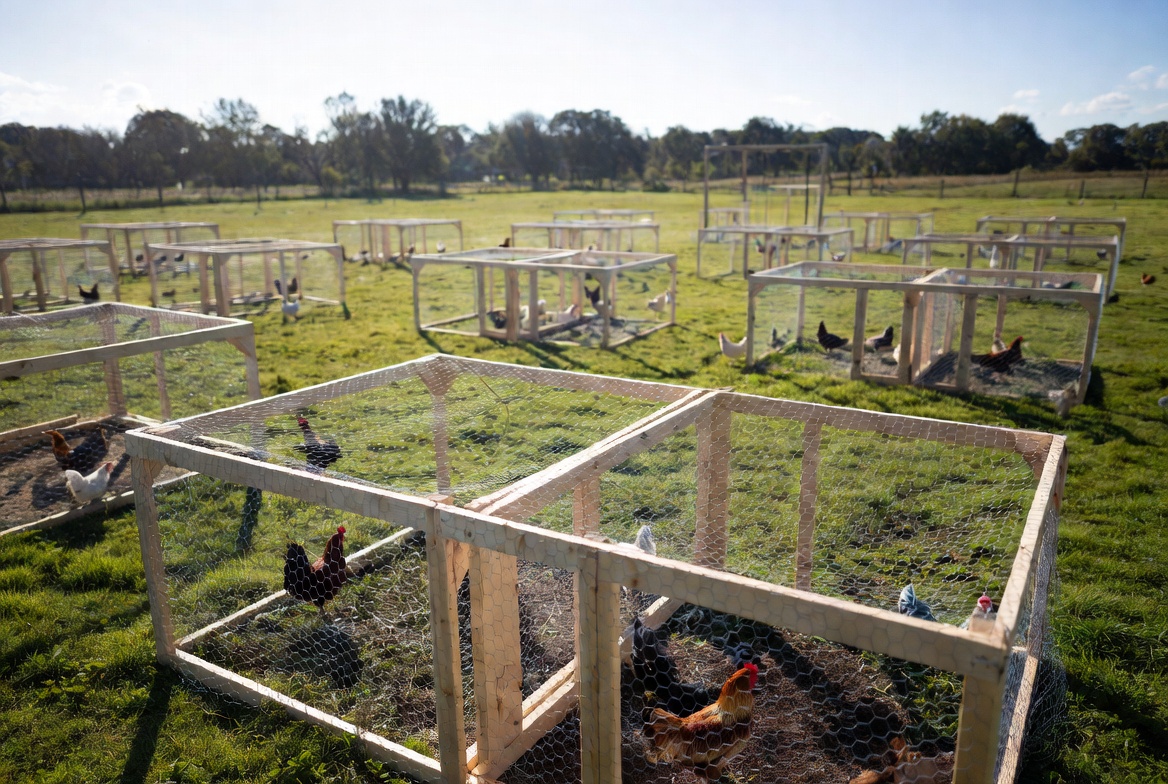
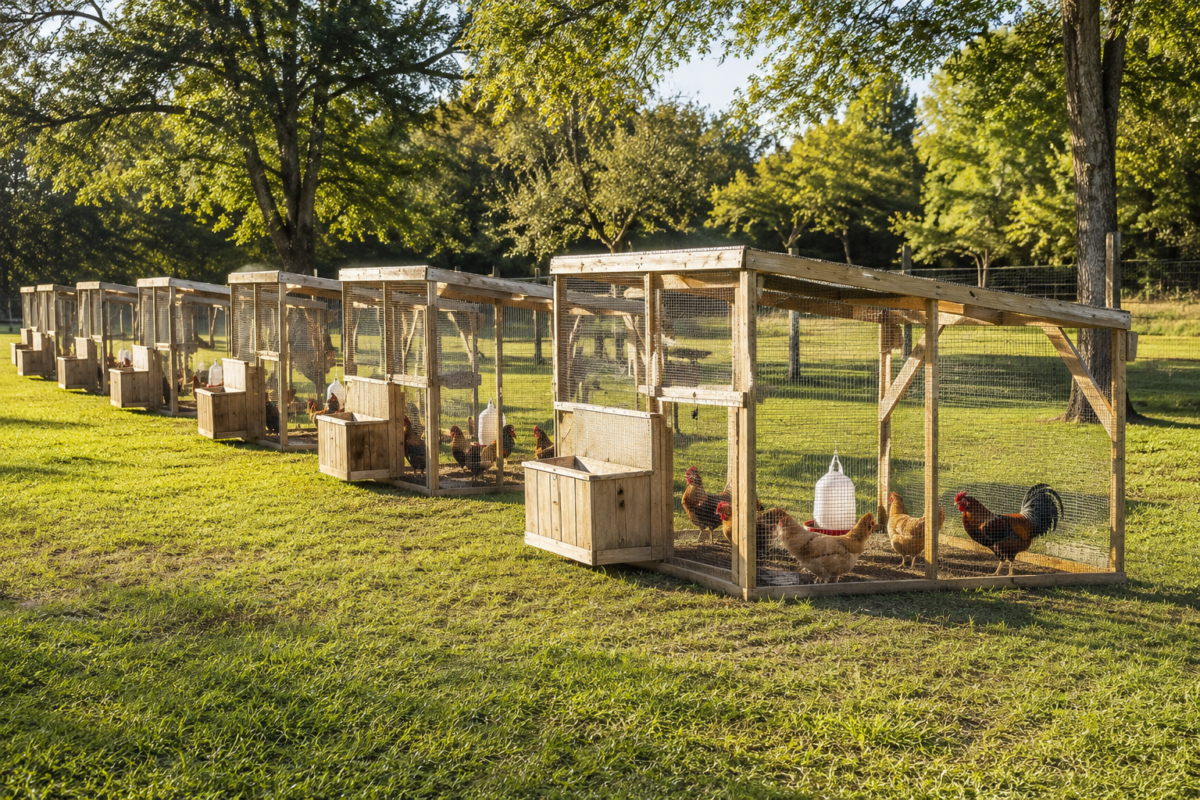
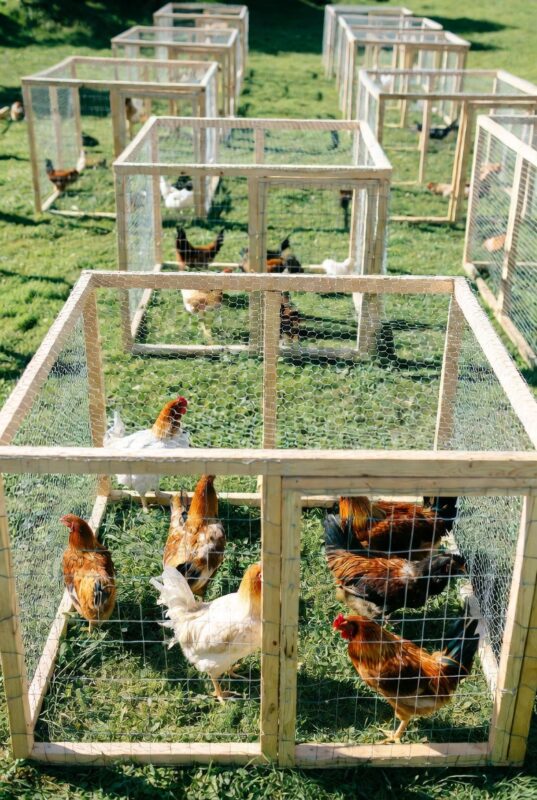
To run successful gamefowl breeding programs, you cannot let your flock free-range together continuously. Controlled genetics require controlled spaces. Accidental cross-mating ruins years of careful record-keeping in a single afternoon.
Individual Breeding Pens
Build small, dedicated mating pens (typically 8×8 feet) that comfortably house one select rooster and one to three chosen hens. Ensure the partitions between pens are solid at the bottom so roosters cannot see or fight with each other through the wire mesh.
Strict Biosecurity Zones
New birds entering your property must undergo a strict 21-day quarantine period in an isolated pen far away from your primary flock. Implementing clear flock biosecurity protocols protects your delicate, high-value genetics from devastating respiratory illnesses or external parasites.
Record Keeping and Selection Protocols On Gamefowl Breeding Programs
The differentiator between a casual backyard multiplier and a master preservationist is a notebook. If you do not write down who laid which egg, you do not have a breeding program.
| Management Step | Action Item | Why It Matters |
| Leg Banding | Apply numbered zip-bands to chicks immediately upon hatching. | Permanently identifies parentage and hatch dates. |
| Pedigree Charting | Document every single cross on a digital spreadsheet or physical logbook. | Prevents accidental, hyper-close inbreeding down the line. |
| Ruthless Selection | Keep only the top 10% to 20% of your annual hatch for future brood pens. | Drives continuous genetic improvement and flock stamina. |
Frequently Asked Questions On Gamefowl Breeding Programs
How long can a rooster remain fertile in a program?
With optimal protein-rich nutrition, clean housing, and low stress, a premium heritage rooster can remain highly fertile and active for 5 to 7 years.
What should I feed my young breeding stock?
Young growing stags and pullets thrive on an 18–20% high-quality protein starter/grower feed crumble. Avoid low-grade commercial filler scratch, which lacks the vital amino acids needed for proper muscle retention and bone development.
How do I prevent my bloodline from weakening over time?
When your line starts showing signs of inbreeding depression (such as low hatch rates or weak chicks), introduce an outside “注入” (infusion) of a highly compatible, related sub-strain from a trusted partner breeder to instantly restore natural vigor.
Take Control of Your Agricultural Legacy
Launching your own gamefowl breeding programs requires patience, discipline, and a commitment to quality. By securing world-class foundational stock, building isolated facilities, and tracking your pedigree records with precision, you protect your investment and build a premium flock that honors the timeless traditions of heritage poultry preservation.
Products by Category
-

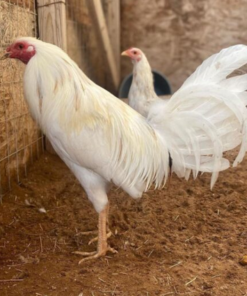
White Kelso Gamefowl for Sale – Premium Heritage Bloodline Birds
Price range: $180.00 through $525.00